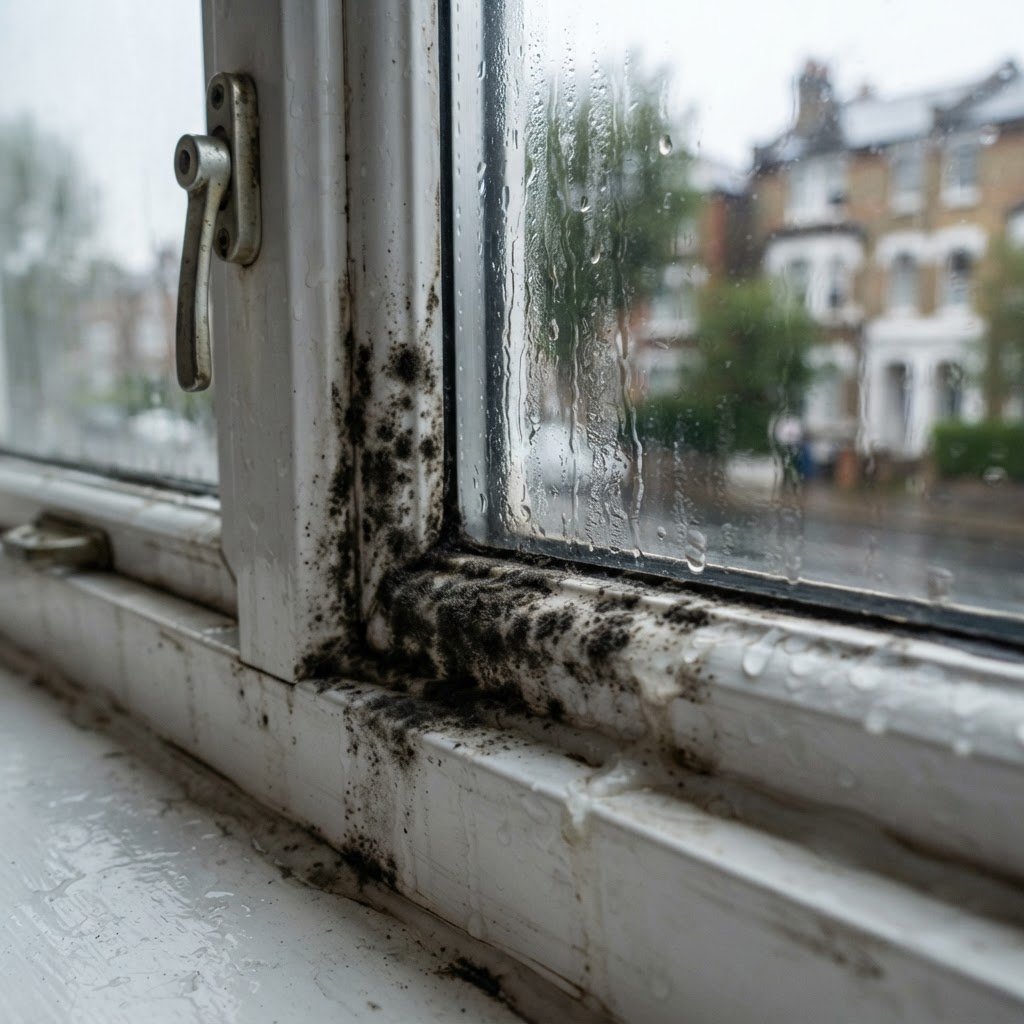
Mould and Damp: The Unwelcome Guests in Your London Home
Mould and damp are persistent problems that many Londoners face, turning pristine living spaces into potential health hazards. From charming Victorian terraces to modern flats, the unique climate and building styles of the capital can create the perfect conditions for these unwelcome guests to thrive. If you've spotted those tell-tale black spots or noticed a musty odour, you're not alone, and it's crucial to act swiftly before the problem escalates.
Understanding the Culprits: Mould vs. Damp
Before we dive into solutions, it's important to understand what we're dealing with. Damp is excess moisture in the building fabric. It can manifest in several ways:
- Penetrating damp: Caused by water getting in from outside, often due to faulty gutters, damaged roofs, or cracked walls. In older London homes, this can be particularly prevalent due to their age and building materials.
- Rising damp: Occurs when groundwater is absorbed up through the building's structure, usually affecting ground floors. While less common than penetrating damp, it's a serious issue that requires professional assessment.
- Condensation damp: This is the most common type, especially in London where properties can be well-insulated but poorly ventilated. Warm, moist air inside the home comes into contact with cold surfaces (like windows, walls, and ceilings), causing water vapour to condense. This is the primary breeding ground for mould.
Mould is a type of fungus that grows in damp, humid conditions. It appears as fuzzy or slimy patches, often black, green, blue, or white. Mould thrives on organic materials like wallpaper, plaster, wood, and fabric. Beyond being unsightly, mould spores can trigger allergies, asthma, and other respiratory problems, making prompt action essential for a healthy home.
Practical Steps to Tackle Mould and Damp in Your London Property
Dealing with mould and damp requires a multi-pronged approach, focusing on identification, removal, and prevention. Here are key strategies to help you reclaim your home:
1. Identify the Source of Moisture
The first and most critical step is to pinpoint where the excess moisture is coming from.
- Check for leaks: Inspect pipes, radiators, taps, and the roof for any signs of leaks. Even small drips can contribute significantly to dampness over time.
- Assess external factors: Look at your gutters and downpipes – are they clear and directing water away from your property? Check your brickwork and sealant around windows and doors for cracks or deterioration. In areas like Kensington or Hampstead, older properties might require regular checks of their external walls.
- Evaluate ventilation: Poor ventilation is a major contributor to condensation. Are your extractor fans working in the kitchen and bathroom? Are you opening windows regularly, even for short periods, to allow moist air to escape?
2. Improve Ventilation Throughout Your Home
Good airflow is your best defence against condensation damp and subsequent mould growth.
- Use extractor fans: Always use extractor fans when cooking or showering. If you don't have them, consider installing them.
- Open windows regularly: Aim to open windows in every room for at least 10-15 minutes each day, even in winter. This helps to replace moist indoor air with drier outdoor air. Consider a 'trickle vent' if your windows have them, keeping them open.
- Avoid drying clothes indoors: If possible, dry laundry outside. If you must dry indoors, use a dehumidifier or ensure the room is very well-ventilated and consider using a spin dryer to remove excess water before air-drying.
- Furniture placement: Avoid pushing large furniture items right up against external walls. Leave a small gap (around 5-10cm) to allow air to circulate behind them, preventing cold spots where condensation can form.
3. Effective Mould Removal
Once you've identified and addressed the source of moisture, it’s time to tackle existing mould. For small areas of mould (less than one square metre), you can often tackle it yourself:
- Safety first: Wear gloves, a mask, and eye protection. Ensure the area is well-ventilated. Never dry scrape mould, as this can release spores into the air.
- Cleaning solutions: For non-porous surfaces (like tiles or painted walls), a diluted bleach solution (one part bleach to four parts water) can be effective. Alternatively, a specialist mould cleaner or even undiluted white vinegar can be used. Always test a small, inconspicuous area first.
- Wipe and dry: Gently wipe the mouldy surface with your chosen solution, being careful not to spread it. Rinse the area with clean water and then dry it thoroughly with a clean cloth.
- Porous materials: If mould has penetrated porous materials like wallpaper, plasterboard, or carpets, they may need to be removed and replaced. For extensive mould issues, or if you're concerned about health risks, professional mould removal services are highly recommended. This is where services like deep cleaning London can be invaluable.
4. Control Humidity Levels
Maintaining optimal humidity levels within your home is key to preventing mould and damp recurrence.
- Dehumidifiers: Consider using a dehumidifier, especially in rooms prone to dampness like bathrooms, basements, or bedrooms. Aim for a humidity level between 40-60%.
- Insulation: Improving insulation in walls, lofts, and floors can help to raise the surface temperature of walls, reducing condensation. This is a longer-term solution but highly effective for combating damp issues in older London properties.
- Regular cleaning: Keeping your home clean and dust-free also helps, as mould spores feed on dust and organic matter. A regular house cleaning London service can ensure those hard-to-reach areas are kept clean and mould-free.
When to Call in the Professionals
While these tips can help manage minor mould and damp issues, some situations require expert intervention. If you're dealing with widespread mould growth, suspect rising or penetrating damp, or have experienced significant water damage, it's best to consult specialists. They can accurately diagnose the cause of the damp and provide effective solutions, potentially saving you from more costly repairs down the line. For instance, if you are moving out of a rented property, an end of tenancy cleaning service can help address any mould or damp issues that have arisen during your tenancy, ensuring you get your deposit back.
Don't let mould and damp compromise the health and beauty of your London home. Tackling these issues proactively will not only protect your property but also ensure a healthier living environment for you and your family. For comprehensive cleaning solutions that tackle stubborn mould and damp, trust the experts at Let Us Clean 4u.
Ready to restore your home to its sparkling best? Let Us Clean 4u offers professional cleaning services tailored to your needs. Book your cleaning service today and say goodbye to mould and damp for good! Visit us at https://www.letusclean4u.com/BookCleaningService
Tags:
Related Articles
How to Maintain a Clean Home in Camden: Essential Autumn Tips for Flat Owners
Discover expert autumn cleaning tips for Camden flat owners. From managing NW1 urban dust to prepping your Kentish Town home for the colder months, we have you covered.
How to maintain a clean home in Bromley: summer tips for local flat owners
Struggling to keep your Bromley flat pristine during the summer months? Discover expert seasonal maintenance tips tailored for residents in BR1, BR2, and BR3.
How to Maintain a Clean Home in Brent: Summer Tips for Wembley Flat Owners
Struggling to keep your flat pristine during the Brent summer? Discover essential seasonal cleaning tips tailored for residents in Wembley, Kilburn, and Harlesden.